Laurie's Blogs.
Feb 2026
The Long-Term Clinical Course of Canine Degenerative Myelopathy and Therapeutic Potential of Curcumin
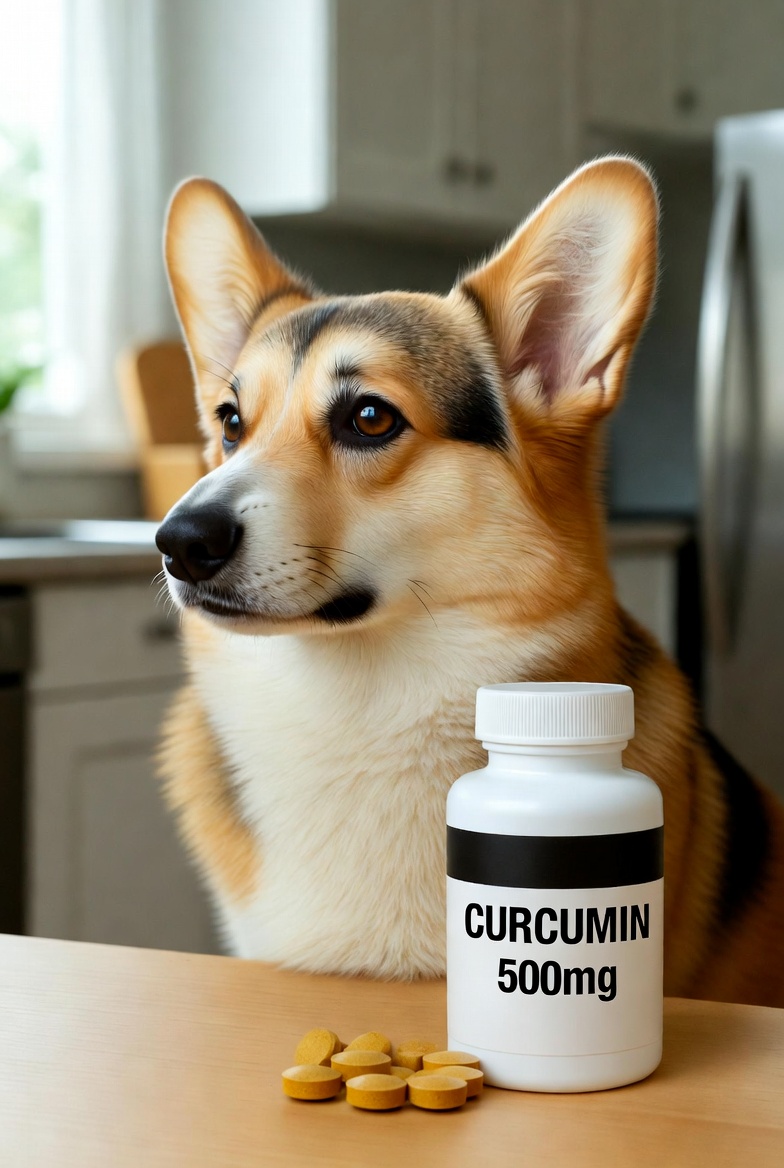
Published in Veterinary Sciences (2021;8(9):192), this retrospective study by Kobatake et al. provides the most detailed natural history to date of canine degenerative myelopathy (DM) in Pembroke Welsh Corgis from diagnosis to natural death, while exploring curcumin as a potential disease-modifying agent. (https://pmc.ncbi.nlm.nih.gov/articles/PMC8471773/) DM, caused by SOD1 gene mutations (c.118G>A homozygous in all cases here), is a widely accepted spontaneous model for human amyotrophic lateral sclerosis (ALS).
Study Design and Population
The authors analyzed 40 client-owned Pembroke Welsh Corgis with definitive DM diagnosis confirmed by necropsy, histopathology, and genotyping. Dogs euthanized or dying from other causes were excluded to capture the full terminal course. Data came from structured owner questionnaires detailing symptom onset, progression, and timing. Eight dogs received oral curcumin (~13 mg/day); the remaining 32 served as historical controls.
Key Clinical Findings (regarding all DM dogs in study)
• Median age at onset: 10 years 8 months (range 7y7m–14y).
• Median survival from onset: 36 months (range 18–52 months).
• Disease began with progressive pelvic limb ataxia/spastic upper motor neuron paresis, advancing to non-ambulatory tetraplegia.
• Late-stage complications were frequent:
- Respiratory disorder: 85% (34/40), median onset 32 months post-diagnosis (range 14–45); median survival after onset 1.5 months. Dyspnea showed strong correlation with shortened survival (r = 0.76, p < 0.0001).
- Urinary incontinence: 77.5% (31/40), median onset 22 months (range 8–38).
- Fecal incontinence: 42.5% (17/40), median onset 22 months.
- Brainstem signs (dysphonia 27.5%, tongue spasm 12.5%, dysphagia 10%) occurred late and in fewer cases.
Curcumin Results
Dogs receiving curcumin exhibited significantly longer median survival (43 months, range 36–47) compared with controls (34 months, range 18–52). They also showed delayed progression to non-weight-bearing status in hind limbs (median 15 vs. 8 months) and thoracic limbs (34.5 vs. 26 months). No significant difference emerged in time to respiratory disorder onset.
Implications and Limitations
This work offers the first comprehensive description of DM's terminal phase without euthanasia bias, highlighting respiratory failure as the predominant cause of death—paralleling ALS—and documenting substantial late pelvic/urinary complications. The curcumin findings suggest possible neuroprotective or anti-inflammatory benefits that slow motor decline and extend survival, supporting further investigation of this compound in neurodegenerative models.
Limitations include the small curcumin cohort (n=8), retrospective design with potential recall bias and variable concomitant care (e.g., physiotherapy), and uncertain bioavailability of the oral curcumin formulation used. Prospective, placebo-controlled trials are required to confirm efficacy and mechanism.
Overall, the study strengthens DM's value as a translational ALS model and provides preliminary evidence that curcumin may warrant evaluation in both veterinary and human neurodegenerative contexts.
(And I think this is one of those studies that is 'good to know', because owners always ask our opinion and thoughts about what other interventions can be done to help their dog with degenerative myelopathy.)
Until next time,
Cheers! Laurie