Laurie's Blogs.

Aug 2026
Strengthening The Dog’s Abdominal Muscles: Static vs. Dynamic Exercises and the Importance of Functional Training
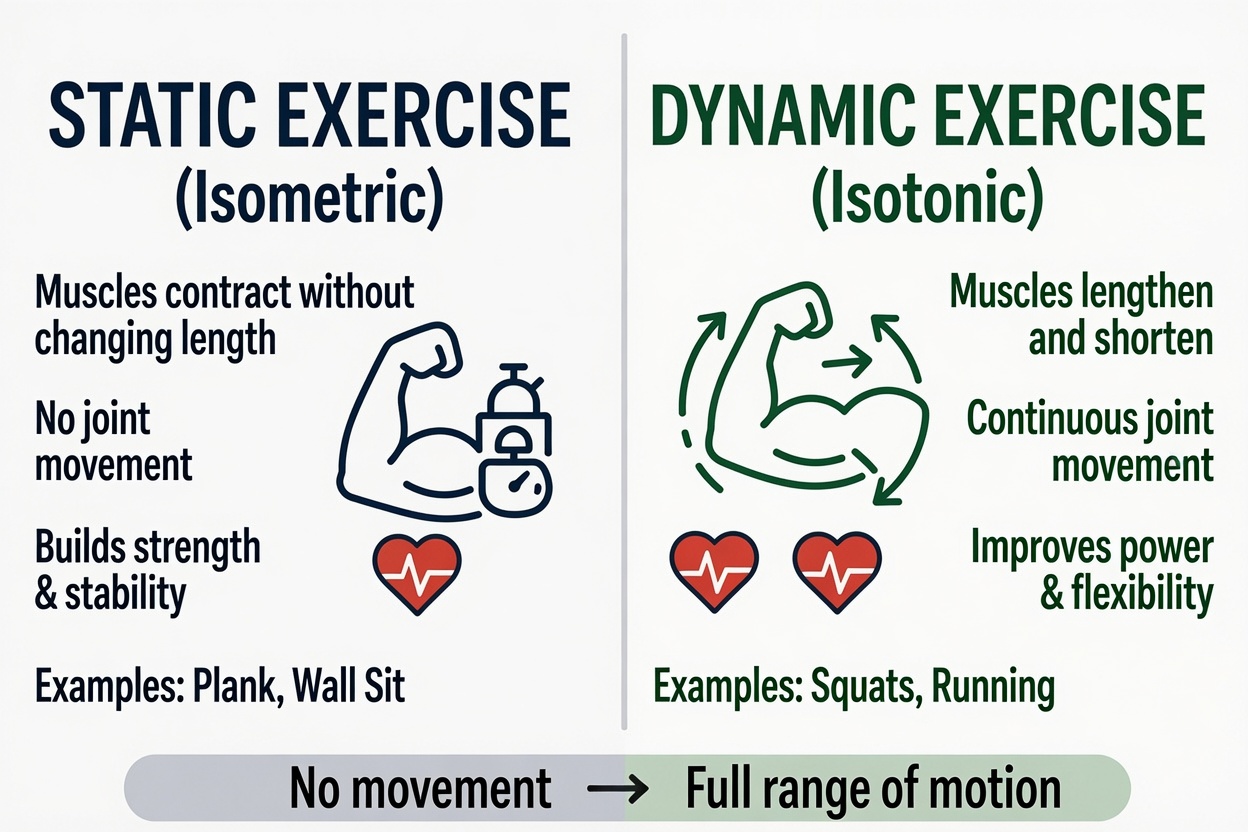
When it comes to building core strength in dogs, the abdominal muscles play a vital role in stability, movement, respiration, and overall function. Drawing from biomechanical research on canine abdominal and hypaxial muscles, as well as principles of exercise physiology, a well-designed program balances static and dynamic exercises while prioritizing movements that match a dog’s natural quadrupedal lifestyle. This approach follows the SAID principle—Specific Adaptation to Imposed Demands—which states that the body adapts specifically to the type of stress or movement it experiences. Exercises should therefore prepare dogs for the activities they actually perform in daily life, such as walking, trotting, turning, and navigating varied terrain.
Static vs. Dynamic Exercises: Why Both Matter
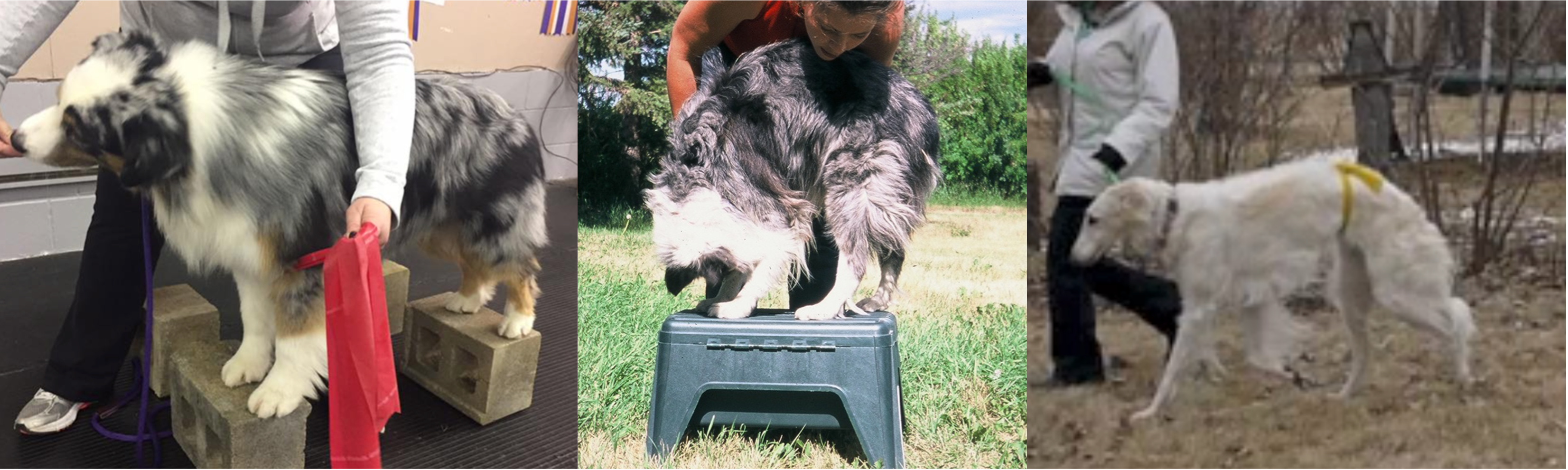
Static (isometric) exercises involve holding a position without movement, such as maintaining a balanced stand, performing controlled weight shifts, or holding a plank-like position on all fours. These are excellent for developing endurance, postural stability, and deep core awareness. Research on conscious dogs shows that abdominal muscle activity and length change with posture—upright or standing positions often increase active shortening and tonic recruitment compared to recumbent postures. Static holds can help build the baseline control and intra-abdominal pressure needed for consistent spinal support.
Dynamic exercises, by contrast, involve movement, such as controlled gait variations, rhythmic weight shifts during walking or trotting, perturbations on unstable surfaces while moving, or resistance work in motion. These are particularly valuable because they train timing, coordination, strength, and power under real-world conditions. Studies of dogs trotting demonstrate that the oblique abdominal (hypaxial) muscles are actively recruited to stabilize the trunk against sagittal shearing forces from limb protraction and retraction, as well as vertical bounce or sag during locomotion. Dynamic training directly targets these stabilizing functions, improving force transfer between the limbs and spine.
Best practice is to use both types in a progressive program. Start with static holds to establish foundational stability and proprioception (especially useful for rehabilitation or weaker dogs), then layer in dynamic variations to build functional strength and coordination. Combining them—such as a static balanced stand followed by gentle rhythmic shifts or movement—creates a comprehensive stimulus that respects the SAID principle. Purely static work builds endurance but may not fully prepare the core for the dynamic demands of gait and play, while purely dynamic work without a stability base can be less effective for dogs needing controlled activation.
Prioritizing Functional Quadruped Positions
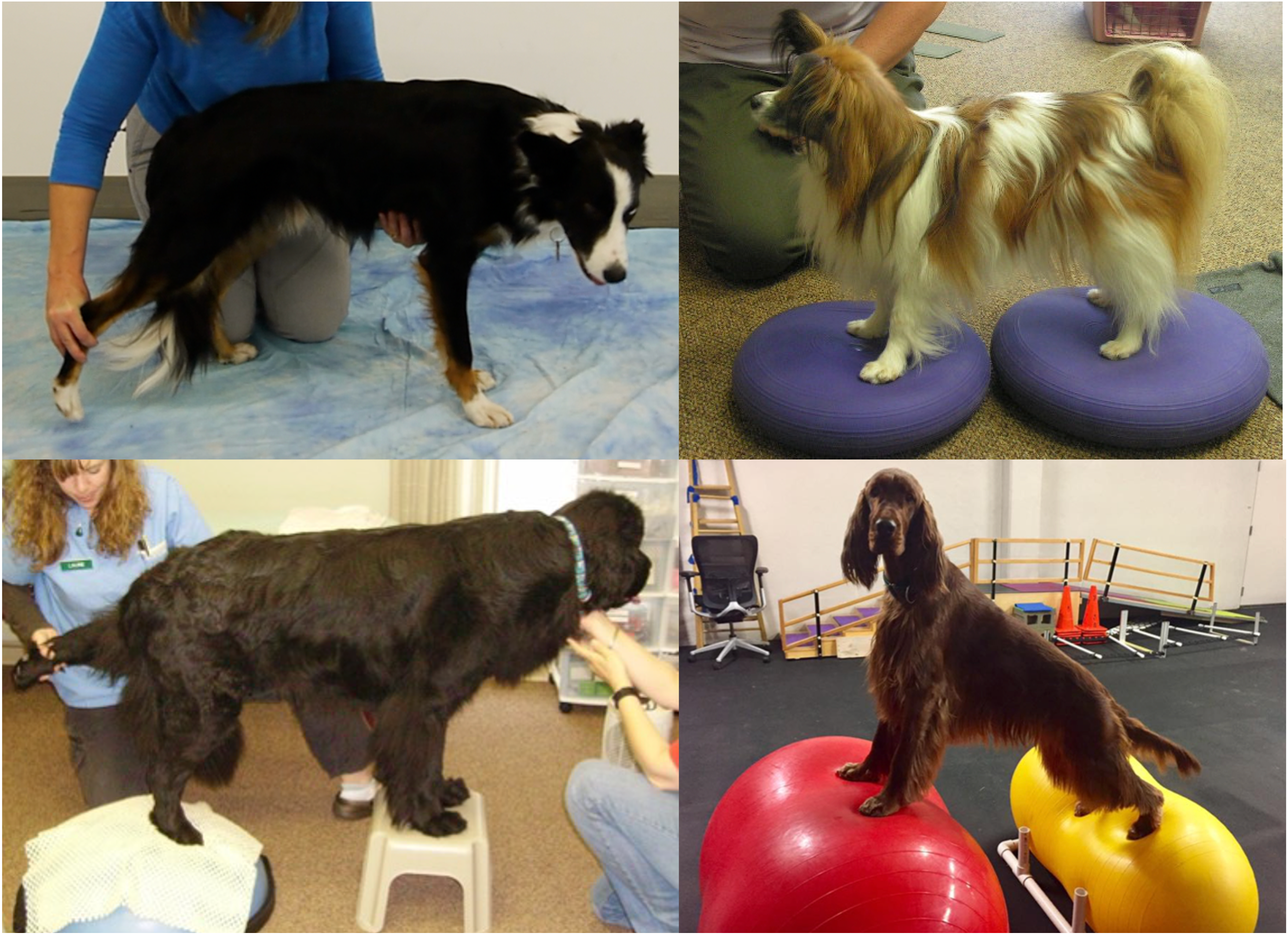
Dogs are quadrupeds with a horizontally oriented spine, and their abdominal muscles are adapted to support locomotion, resist shearing forces during movement, and integrate with breathing. The most effective core training therefore emphasizes exercises performed in natural quadruped positions—standing squarely on all four legs, during controlled walking or trotting variations, or while weight-shifting on stable or mildly unstable surfaces while in a four-legged stance.
These positions allow the abdominal muscles (rectus abdominis, external and internal obliques, and transversus abdominis) to work in the ways they are designed for: providing circumferential compression, resisting sagittal and torsional forces, and coordinating with the limbs and paraspinal muscles. Functional quadruped work directly translates to improved gait efficiency, balance, and injury resilience because it mirrors the demands highlighted in biomechanical studies of trotting dogs.
In contrast to bipedal human core training (which often includes upright anti-gravity elements), canine programs benefit most from respecting the quadrupedal anatomy and movement patterns. This functional focus ensures adaptations are specific and useful—exactly what the SAID principle encourages.
Putting It All Together: A Practical Approach
A balanced core program might progress like this:
• Beginner/Foundational — Static holds and gentle weight shifts in a square stand; basic cookie stretches or high-stepping in quadruped stance.
• Intermediate — Dynamic elements such as rhythmic perturbations, short trots with controlled changes in direction, or resistance work (e.g., gentle theraband or tug in motion) while maintaining quadruped stability.
• Advanced — Unstable surface work (wobbly boards or balance discs) combined with movement, incline/decline walking or trotting, and multi-planar challenges that simulate real-life demands.
Throughout, monitor for quality of movement and fatigue. The goal is controlled activation that builds both endurance (static) and dynamic stability, always in positions that align with a dog’s natural biomechanics. This evidence-informed strategy supports not only stronger abdominal muscles but also better overall function, gait quality, and long-term musculoskeletal health.
By focusing on a thoughtful mix of static and dynamic exercises performed in functional quadruped positions—and always applying the SAID principle—you can create an effective, safe, and meaningful core strengthening program tailored to your dog’s needs.
Reference List
1. Leevers AM, Road JD. (1993). Effects of posture on abdominal muscle shortening in awake dogs. Journal of Applied Physiology, 75(4), 1452–1459.
2. Fife MM, Bailey CL, Lee DV, Carrier DR. (2001). Function of the oblique hypaxial muscles in trotting dogs. Journal of Experimental Biology, 204(13), 2371–2381.
3. Farkas GA, Rochester DF. (1988). Characteristics and functional significance of canine abdominal muscles. Journal of Applied Physiology, 65(6), 2427–2433.
4. Valentin S, Licka TF. (2014). Comparative need for spinal stabilisation between quadrupeds and humans. Comparative Exercise Physiology, 11(2), 95–105.
5. ACSM’s Guidelines for Exercise Testing and Prescription (11th ed., 2021). Wolters Kluwer.